

National Pet Cancer Awareness Month
Did you know November is National Pet Cancer Awareness Month?
According to the American Veterinary Medical Association, pets today have a better chance of being successfully treated than ever before thanks to advances in early detection, diagnosis and treatment. That unfortunately doesn’t eliminate the fact that many pets will face different types of cancer in their lifetime with some not being caught in time for life-saving treatment.

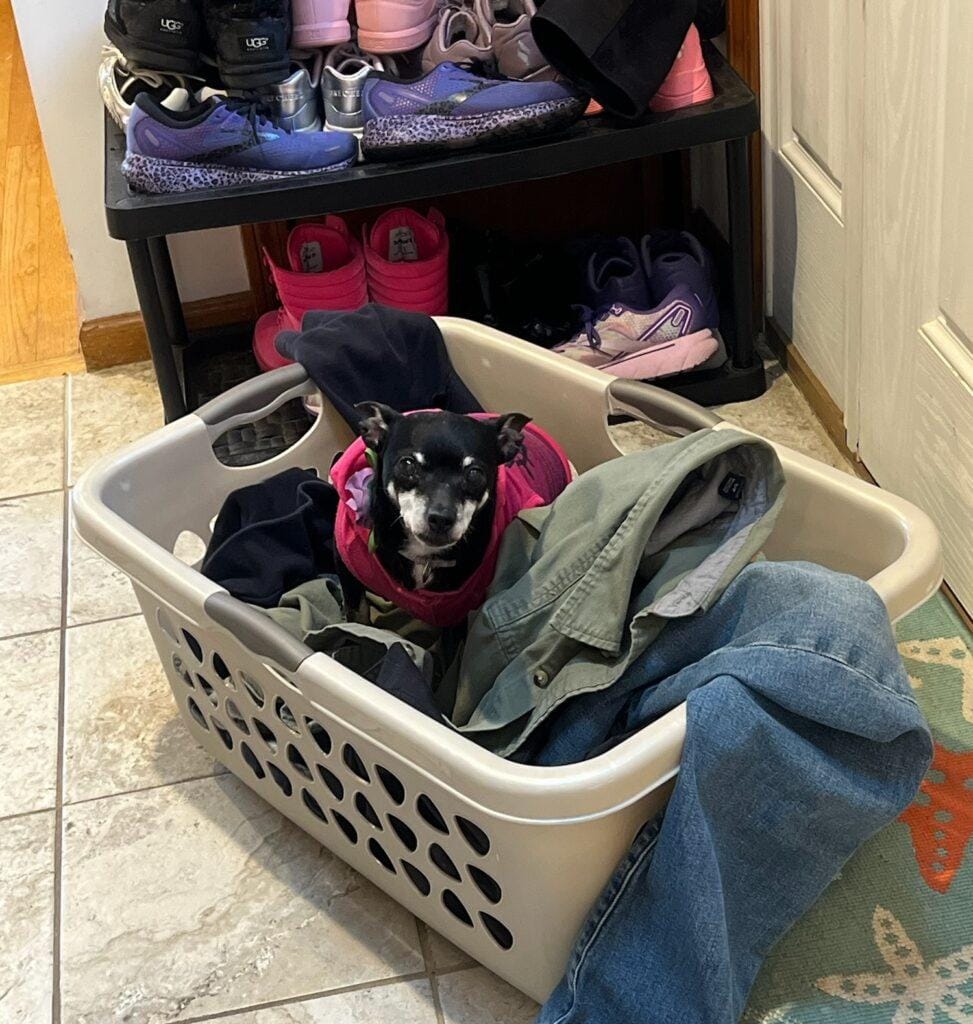

Noel is a super, duper sweet 8 year old Chihuahua mix who is currently in fospice (hospice foster) because she has cancer. Upon arrival into rescue, it was discovered that Noel had mammary nodules and a sizable mass on one of her hind feet. Her entire left mammary chain was surgically removed and the histologic findings revealed a circumscribed mixed mammary tumor. The mass on her hind paw turned out to be mass cell disease. And then soon after getting set up in foster in Rhode Island, , Noel paid a visit to the vet for a UTI and some swelling and lameness in her back hind leg. It was soon determined that her new leg swelling was showing mast cell tumors – her cancer was back. She had an ultrasound to confirm that the cancer hadn’t spread to other organs. At the ultrasound, they found Noel had a third cancer – bladder transitional cell carcinoma (TCC).
The focus now is on her quality of life and making sure she lives out the rest of her days filled with love, lots of comfy blankets and sweaters, and feeling well. Her fospice mom is making sure that happens and then some, and even came up with a doggy bucket list a few months back that Noel has been checking off with activities like swimming in the pool and going on a shopping spree.
So why do pet’s get cancer? Unfortunately, there are many factors that can influence the development of cancer in pets, just like in humans, and it’s hard to gauge why some pets develop cancer while others do not. You can learn more about cancer in pets HERE.
There are some cancers, such as mammary cancer like Noel had, where the risk of getting is drastically reduced by spaying female dogs before their first heat cycle. This is one of the many reasons why early spay/neuter is beneficial, besides helping to control the population of unwanted and homeless pets.
When it comes to our pets, in addition to taking your pup for his or her yearly exam, it’s equally as important to be proactive and check our dogs for lumps and to pay attention to changes in behavior! A simple massage may help you to feel a lump on them. Communicating with your veterinarian with any concerns early is key! There are cancer treatments available and often catching the disease in the early stages can help improve the prognosis.